Domanda1su40
Walking Character
2%
Princess Right

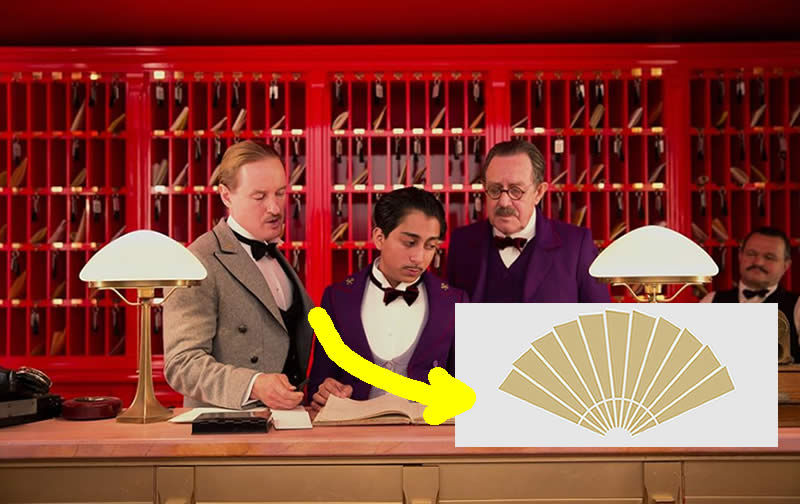
A quale azienda appartiene questo logo?

A Apple
B IBM
C Microsoft
D Google
In attesa...
Rispondi alla domanda sopra per continuare!
Valuta questa domanda
Advertisements

Quiz che potrebbero piacerti

Curiosità
Inizia il quiz

Trappola della nostalgia definitiva: nomina queste forniture per feste della vecchia scuola o ammetti di essere troppo giovane!

Curiosità
Inizia il quiz

Riesci ancora a individuare queste auto compatte affidabili dei bei vecchi tempi? Solo il 9,8% degli anziani ottiene il 100%!

Curiosità
Inizia il quiz

Solo i veri pensionati con menti acute possono superare questo quiz sulle monete globali – Dimostralo!

Curiosità
Inizia il quiz

Riesci a identificare questa classica muscle car da un solo dettaglio? Sei un vero esperto di muscle car o solo un imbroglione?

Curiosità
Inizia il quiz

Quei lavori “ben retribuiti” smascherati: il 98% delle persone sbaglia completamente a indovinare i veri stipendi

Curiosità
Inizia il quiz

L’80% degli studenti online sono meno capaci degli studenti tradizionali? Dimostra che si sbagliano con questo quiz!

Curiosità
Inizia il quiz

Riesci a identificare questi generi alimentari Walmart solo guardandoli?

Curiosità
Inizia il quiz

Solo il 5% dei Boomer riconosce ogni leggendaria decappottabile!

Curiosità
Inizia il quiz

Se riesci a identificare 32/40 di questi articoli da esterno, sei un esperto certificato di attività all’aperto

Curiosità
Inizia il quiz

Il 98% dei viaggiatori non riconosce le banconote locali The maximum number of unique for a given group. The number of unique objects for that group is calculated. This method allows for estimating unique counts for multiple groupings, reducing the overall query time. For example, if you have a table of customer transactions, you might want to know how many unique products each customer bought, how many unique customers visited each store, and how many unique products were sold in each region. Instead of running three separate COUNT(DISTINCT …) queries, you can run one `estimate_distinct_count_for_multiple_groups` query. **Parameters:** * `table_name`: The name of the table to query. * `group_by_columns`: A list of column names to group by. Each element in the list can be either a string (representing a single column) or a tuple of strings (representing multiple columns that should be treated as a single grouping unit). * `count_distinct_column`: The name of the column for which to count distinct values within each group. * `error_rate`: (Optional) The desired error rate for the HyperLogLog++ algorithm. This value should be between 0 and 1. A smaller error rate results in more accurate estimates but may require more memory. Defaults to 0.01. **Returns:** A list of dictionaries, where each dictionary represents a grouping and contains the following keys: * `group_by_key`: A string representation of the column(s) used for grouping. * `estimated_distinct_count`: The estimated number of distinct values for the `count_distinct_column` within that group. **Example Usage:** python from google.cloud import bigquery client = bigquery.Client() # Example table with customer transactions table_id =

Curiosità
Inizia il quiz

Stai pianificando una vacanza? Scopri se riesci a superare questo quiz sui loghi degli hotel che il 90% dei viaggiatori fallisce!

Curiosità
Inizia il quiz

Epoca dei telefoni retrò vs. Era di TikTok: Chi indovina questi marchi di cellulari?